
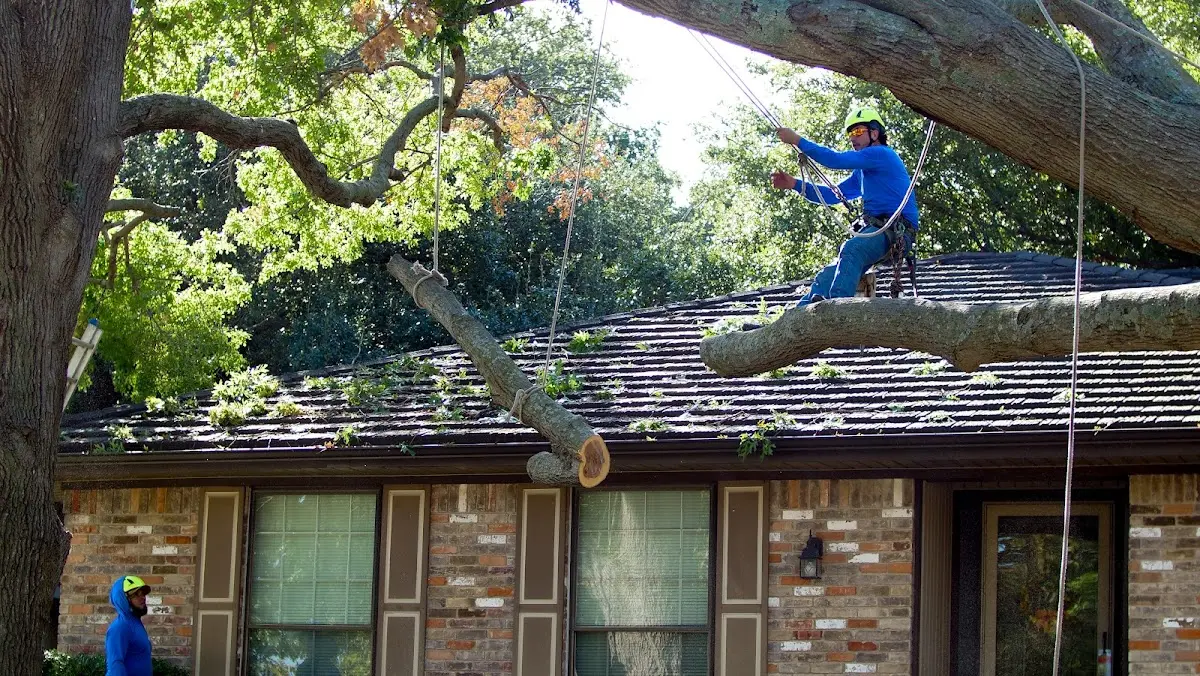
Expert deadwooding in Lolo, MT. ISA-trained arborists, proper rigging, and clean results you can count on.
Targeted deadwooding for Lolo property owners. B. Haney and Sons Arborists climbers go through your tree systematically, identifying every dead branch worth removing — eliminating falling-limb hazards, reducing disease pathways, and improving the overall tree appearance. Live wood stays untouched; only deadwood comes out.
With a population of 4,490, Lolo is home to thousands of properties with mature trees that require professional care. Our deadwooding team in Lolo, MT combines local arborist knowledge with ISA-standard training to deliver results that protect your property and keep your trees healthy long-term. Every project begins with a thorough on-site assessment so we can recommend the right approach for your specific situation, tree species, and site conditions.
When you choose B. Haney and Sons Arborists for deadwooding in Lolo, you get a team that responds fast, communicates clearly, and treats your property with respect. We handle all the details — proper rigging, clean cuts, full debris cleanup, and a final walkthrough — so you can focus on the rest of your day.

From first call to final walkthrough, here is what to expect from B. Haney and Sons Arborists in Lolo, MT.
B. Haney and Sons Arborists begins every deadwooding project with an on-site assessment. We walk the property with you, evaluate every tree involved, and discuss the recommended approach for your Lolo, MT project.
Our Lolo crew sends you a written estimate that itemizes everything — labor, equipment, debris removal, stump grinding if requested. Approve it and we schedule the work around your calendar.
Our crew arrives on schedule with the right equipment, follows ANSI Z133 safety standards, and executes the work with proper rigging and tree-care science.
B. Haney and Sons Arborists finishes every deadwooding job in Lolo with thorough cleanup. We rake the work area, sweep walks and driveways, and leave the site looking better than when we arrived. Final walkthrough always included.
What Lolo property owners want to know about deadwooding — answered by our arborists.
The cost of deadwooding in Lolo depends on tree size, species, access, equipment required, and whether stump removal is included. B. Haney and Sons Arborists provides free written estimates with transparent pricing so you know exactly what to expect before any work begins. We work in a wide range of budgets and never quote blind.
Yes. Standard B. Haney and Sons Arborists deadwooding service in Lolo includes hauling all branches and brush, chipping small wood, raking the work area, and leaving the site cleaner than we found it. No surprise debris-removal fees on the final invoice.
Most deadwooding jobs in Lolo, MT are completed in a single day, with cleanup finished by close of business. Larger or more complex projects involving cranes, multiple trees, or specialized equipment may take 2 to 3 days. We provide a clear timeline during the estimate.
B. Haney and Sons Arborists crews working deadwooding jobs in Montana are led by ISA-trained arborists who follow ANSI A300 pruning standards and ANSI Z133 safety standards. Individual ISA certifications vary by team member, but every crew leader has the training to plan and execute the work properly.
See what customers across the country say about working with B. Haney and Sons Arborists.
"Used Haney and Sons for crown thinning on a giant silver maple over our garage. The arborist explained exactly what they were going to remove and why. Tree looks beautiful, balanced, healthy. Great experience all around — this company knows trees."
"Called for emergency tree service after a big limb came down on our shed. Crew was here within three hours, removed the limb, cleaned up all the debris, and did not even charge us extra for the after-hours call. That is integrity right there."
"Haney and Sons saved a 100-year-old elm on our property. Other companies told us to take it down. Their arborist did a careful evaluation, recommended cabling and a treatment plan, and the tree is thriving three years later. This is what 85 years of tree care knowledge looks like."